Valvoline Synchromesh Manual Transmission Fluid: A Comprehensive Guide
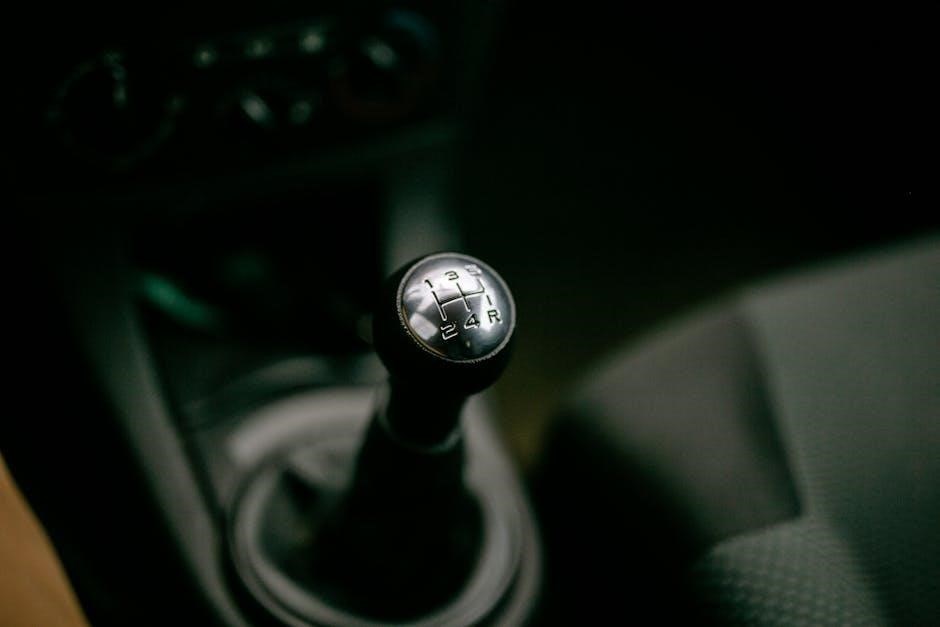
Valvoline Synchromesh is a specialized gear oil designed for manual transmissions, particularly those requiring a GL-3 specification, offering superior synchronization and durability.

What is Valvoline Synchromesh?
Valvoline Synchromesh is a uniquely formulated gear oil specifically engineered for the demanding needs of manual transmissions. Unlike universal gear oils, Synchromesh excels in synchronizer performance, ensuring smooth and quiet shifting. It’s a mineral-based lubricant with specialized additives designed to prevent pitting, wear, and corrosion within the transmission.
This fluid is particularly well-suited for transmissions that originally specified a GL-3 lubricant, offering optimal compatibility and protection. Synchromesh isn’t a simple gear oil; it’s a transmission solution.
Historical Background of Synchromesh Technology
Synchromesh technology arose from the need to improve the often-clunky shifting experience of early manual transmissions. Before synchronizers, gear changes required precise speed matching, leading to grinding and driver skill dependence. The introduction of synchronizers, and subsequently specialized fluids like Valvoline Synchromesh, revolutionized manual transmissions.
Valvoline recognized the need for a fluid that enhanced synchronizer function, reducing wear and improving shift quality. This led to the development of Synchromesh, becoming a trusted solution for decades.
Key Properties and Specifications
Valvoline Synchromesh boasts unique properties crucial for manual transmission health. It’s formulated with extreme pressure additives, ensuring robust gear protection under heavy loads. Its high shear stability maintains viscosity, even during intense use. The fluid exhibits excellent thermal stability, resisting breakdown at elevated temperatures.
Synchromesh meets or exceeds common industry standards, offering reliable performance. It’s designed to minimize friction and wear, contributing to extended transmission life and smooth operation.
Viscosity and Weight (75W-90, 80W-90)
Valvoline Synchromesh is commonly available in 75W-90 and 80W-90 viscosities. The “W” denotes winter performance, indicating cold-weather fluidity. Lower numbers (75 vs. 80) signify better low-temperature flow. The 90 represents the viscosity at 100°C, indicating high-temperature protection.
Choosing the correct weight depends on the vehicle’s requirements and climate. 75W-90 is suitable for colder climates, while 80W-90 is often preferred for warmer conditions or higher-performance applications.
Base Oil Type (Mineral vs. Synthetic)
Valvoline Synchromesh traditionally utilizes a mineral-based oil formulation, specifically designed to enhance the friction characteristics needed for optimal synchronizer performance in older transmission designs. While mineral oils are cost-effective, synthetic base oils offer improved thermal stability and shear resistance.
Though less common, synthetic blends or fully synthetic Synchromesh options may exist, providing superior protection and extended drain intervals for demanding applications.
Additives and Their Functions
Valvoline Synchromesh incorporates a unique blend of additives crucial for its performance. Extreme pressure (EP) additives protect gears under heavy loads, while friction modifiers enhance synchronizer mesh. Corrosion inhibitors safeguard internal components, and detergents keep the system clean.
These additives work synergistically to reduce wear, prevent pitting, and ensure smooth, quiet shifting. The specific additive package is tailored to meet GL-3 specifications.
Benefits of Using Valvoline Synchromesh
Valvoline Synchromesh delivers significant advantages for manual transmissions. It notably improves shifting performance, making gear changes smoother and quicker, especially in older vehicles. Enhanced gear protection minimizes wear and extends transmission life, reducing costly repairs.
Furthermore, Synchromesh effectively reduces transmission noise, contributing to a quieter and more comfortable driving experience. It’s a reliable choice for maintaining optimal transmission health.
Improved Shifting Performance
Valvoline Synchromesh excels at enhancing shifting smoothness, particularly in vehicles with older or worn synchronizers. Its unique formulation reduces friction between gears during engagement, resulting in quicker, cleaner shifts. This is achieved through specialized additives that promote optimal clutch and synchronizer function.
Drivers will experience a more responsive and enjoyable driving experience, with less gear clash and hesitation.
Enhanced Gear Protection
Valvoline Synchromesh provides exceptional protection against wear and pitting of transmission gears, extending the lifespan of critical components. Its robust additive package forms a durable protective layer, minimizing metal-to-metal contact under extreme pressures and temperatures.
This superior lubrication safeguards against costly repairs and ensures reliable transmission operation, even in demanding driving conditions.
Noise Reduction
Valvoline Synchromesh effectively minimizes transmission noise, contributing to a quieter and more comfortable driving experience. Its unique formulation dampens gear clash and reduces whining sounds often associated with worn or improperly lubricated manual transmissions.
The fluid’s properties create a cushioning effect, lessening impact and vibration, ultimately resulting in a smoother and more refined vehicle operation.
Applications: Vehicle Compatibility
Valvoline Synchromesh excels in older vehicles with brass or bronze synchronizers, commonly found in many European and domestic cars from the mid-20th century. It’s ideal for transmissions specifying GL-3 gear oil.
However, it’s crucial to avoid using Synchromesh in modern transmissions designed for GL-5 fluids, as it lacks the extreme pressure additives needed for their components.
Suitable Transmission Types
Valvoline Synchromesh is specifically formulated for manual transmissions exhibiting shift problems, particularly those with worn or damaged synchronizers. It’s best suited for transmissions that originally called for a GL-3 specification gear oil.
This fluid is highly effective in older designs utilizing yellow metals like brass and bronze, where GL-5 fluids can cause corrosion. It’s not recommended for automatic transmissions or those requiring GL-5.
Specific Vehicle Makes and Models
Valvoline Synchromesh is frequently recommended for classic and older vehicles with manual transmissions. Popular applications include many Ford models from the 1980s and 90s, like the Mustang and Bronco, and various General Motors vehicles.
It’s also a good choice for older Volkswagen, BMW, and Volvo models. Always verify your owner’s manual or a trusted source before use, as specifications vary.
Vehicles to Avoid Using Synchromesh In
Valvoline Synchromesh should not be used in modern vehicles specifying a GL-5 gear oil, as its lower extreme pressure additives may not provide sufficient protection. Avoid use in transmissions with limited-slip differentials unless specifically approved.
Many newer Audi, Porsche, and some BMW models require fluids meeting different specifications. Always consult your vehicle’s owner’s manual to ensure compatibility and prevent potential damage.
How to Determine if Your Transmission Needs Synchromesh
Identifying transmission issues like difficult shifting, especially into first or reverse, or a noticeable grinding sound, can indicate a need for fluid change. Whining noises, particularly when accelerating, also suggest potential problems.
Crucially, check your vehicle’s owner’s manual for the specified gear oil type. If it calls for a GL-3 fluid, Valvoline Synchromesh is a strong candidate; Ignoring specifications can lead to damage.
Identifying Common Transmission Issues
Common signs include difficulty shifting gears, often accompanied by a grinding or crunching sound, particularly when moving into first or reverse. Delayed engagement of gears, or a feeling of “slipping,” also points to potential problems.
Furthermore, unusual noises like whining or clunking during acceleration or deceleration can indicate internal wear or insufficient lubrication. A burning smell suggests overheating and potential fluid breakdown, requiring immediate attention.
Checking Your Vehicle’s Owner’s Manual
Your vehicle’s owner’s manual is the primary source for transmission fluid specifications. It will detail the correct fluid type – crucially, whether a GL-3, GL-4, or GL-5 fluid is required. Specifically, confirm if your transmission necessitates a fluid meeting specific viscosity grades like 75W-90 or 80W-90.
The manual also outlines the recommended fluid change intervals and the capacity of your transmission, ensuring accurate filling during a fluid replacement.
Changing Your Transmission Fluid: A Step-by-Step Guide
Begin by safely lifting your vehicle and locating the transmission drain and fill plugs. Carefully drain the old fluid into a suitable container, ensuring proper disposal afterward. Clean the drain plug and reinstall it securely.
Next, using a pump or bottle, slowly fill the transmission with the correct amount of Valvoline Synchromesh, checking the level as you go. Finally, lower the vehicle and verify for leaks.

Tools and Materials Required
Essential tools include a wrench or socket set matching your drain and fill plug sizes, a fluid pump or bottle for easy filling, a drain pan to catch the old fluid, and safety glasses. Materials needed are the correct quantity of Valvoline Synchromesh fluid, new drain and fill plug washers (if applicable), and gloves for hand protection.
Additionally, have absorbent rags on hand for spills and a funnel to prevent messes during the filling process;
Drain and Fill Procedure
Begin by locating the drain and fill plugs on your transmission. Place the drain pan beneath the drain plug, then carefully remove it, allowing the old fluid to drain completely. Once drained, reinstall the plug with a new washer. Next, using a pump or bottle, slowly fill the transmission with Valvoline Synchromesh until it reaches the correct level, typically indicated by the fill plug.
Finally, double-check the fluid level and ensure both plugs are securely tightened.
Proper Disposal of Old Fluid
Used transmission fluid is considered hazardous waste and must not be poured down drains, onto the ground, or into the trash. Instead, carefully transfer the old fluid into a sealed, leak-proof container. Many auto parts stores and service centers will accept used oil for recycling, often free of charge.
Alternatively, contact your local waste management facility for designated disposal locations, ensuring environmentally responsible handling.
Potential Problems and Troubleshooting
Following a fluid change with Valvoline Synchromesh, some issues may arise. Fluid leaks could indicate improperly tightened drain plugs or worn seals. Grinding gears might suggest incompatibility with certain transmissions or incomplete filling.
Compatibility issues with other fluids are rare but possible; always use Synchromesh exclusively. Address these promptly to prevent further transmission damage and ensure optimal performance.
Fluid Leaks
Post-installation, fluid leaks are often traced to the drain or fill plugs not being adequately tightened during the service. Worn or damaged transmission seals can also contribute to leakage, especially in older vehicles. Regularly inspect the transmission housing for any signs of oil accumulation.
Address leaks immediately to prevent low fluid levels, which can lead to significant transmission damage and costly repairs.
Grinding Gears After Fluid Change
Experiencing grinding gears post-fluid change often indicates incomplete synchronization, potentially due to insufficient fluid or incorrect fluid type. Ensure the correct fill level is achieved, as underfilling can hinder proper lubrication and synchromesh function. Verify compatibility; using a fluid not meeting GL-3 specifications can cause issues.
Allow a brief break-in period for the fluid to fully coat the gears, and re-evaluate performance.
Compatibility Issues with Other Fluids
Mixing Valvoline Synchromesh with GL-5 gear oils is generally discouraged, as GL-5 fluids contain additives that can react negatively with the brass and bronze components common in synchromesh transmissions. This reaction can lead to corrosion and reduced synchromesh performance. Avoid blending with automatic transmission fluids or engine oils.
Always ensure a complete flush before switching to Synchromesh to prevent contamination and maintain optimal functionality.
Valvoline Synchromesh vs. Other Transmission Fluids
Compared to GL-4 fluids, Synchromesh offers enhanced protection for heavily loaded and high-performance manual transmissions. Unlike GL-5 fluids, it’s formulated to be compatible with yellow metals like brass and bronze, crucial for synchromesh function. Synthetic alternatives provide superior thermal stability and extended drain intervals, but Synchromesh delivers excellent performance at a more accessible price point.
Synchromesh prioritizes shift quality and component preservation.
Comparison with GL-4 and GL-5 Fluids
GL-4 fluids lack the extreme pressure additives found in GL-5, making them unsuitable for high-stress applications. Synchromesh, while also GL-4 based, contains additives specifically protecting synchronizers. GL-5 fluids, designed for hypoid gears, can corrode brass and bronze components common in manual transmissions. Valvoline Synchromesh avoids this issue, offering a safe and effective alternative, preserving synchronizer performance and extending transmission life.
Choosing the correct fluid is vital for longevity.
Synthetic Alternatives
Synthetic manual transmission fluids offer enhanced thermal stability and potentially longer drain intervals compared to conventional mineral-based Synchromesh. However, ensure compatibility; some synthetics may not meet the GL-4 specification or could react negatively with transmission materials; Red Line MT-90 and Amsoil MTF are popular synthetic alternatives, but verifying manufacturer recommendations is crucial. Synchromesh remains a reliable choice, particularly for vehicles originally specifying a GL-4 fluid.
Understanding Gear Oil Standards (API, SAE)
API (American Petroleum Institute) classifies gear oils based on performance, with GL-4 being suitable for many manual transmissions, and GL-5 for heavier-duty applications. Valvoline Synchromesh meets GL-4 standards, crucial for synchronizer compatibility. SAE (Society of Automotive Engineers) defines viscosity grades like 75W-90 and 80W-90, indicating cold-weather and operating viscosity. Understanding these standards ensures selecting the correct fluid for optimal transmission protection and performance.
Long-Term Maintenance and Fluid Change Intervals
Valvoline Synchromesh maintains optimal performance with regular fluid changes. Generally, intervals range from 30,000 to 60,000 miles under normal driving conditions, but severe use – towing, racing – necessitates more frequent changes, around 15,000 to 30,000 miles. Regularly inspect for leaks and monitor fluid condition. Consistent maintenance extends transmission life and prevents costly repairs, ensuring smooth shifting for years to come.
Where to Purchase Valvoline Synchromesh
Valvoline Synchromesh is widely available through numerous channels. Major online retailers like Amazon, Walmart.com, and eBay consistently stock it. For immediate needs, visit local auto parts stores such as AutoZone, Advance Auto Parts, and O’Reilly Auto Parts. Additionally, many Walmart and Target locations carry it. Checking Valvoline’s official website can pinpoint nearby authorized dealers, ensuring product authenticity and availability.
Online Retailers
Valvoline Synchromesh is readily accessible via prominent online retailers. Amazon offers diverse sizes and competitive pricing, alongside customer reviews. Walmart.com provides convenient purchasing, often with shipping options. eBay presents opportunities for finding deals, including both new and used quarts. Always verify seller ratings and product descriptions before finalizing your purchase to ensure authenticity and quality.
Local Auto Parts Stores
Valvoline Synchromesh is widely stocked at most local auto parts stores. AutoZone, Advance Auto Parts, and O’Reilly Auto Parts consistently carry this fluid, allowing for immediate purchase and in-store assistance. Checking store inventories online beforehand can save time. These stores often offer services like fluid recycling, promoting responsible disposal. Benefit from expert advice and potential discounts offered by knowledgeable staff.
Cost Analysis: Price per Quart/Liter
Valvoline Synchromesh typically ranges from $12 to $20 per quart, or $35 to $60 per gallon, depending on the retailer and location. A 5-quart jug offers cost savings compared to individual quarts. Prices can fluctuate due to supply chain factors and promotional offers. Online retailers often compete with local stores, providing opportunities for price comparison before purchase. Consider shipping costs when ordering online.
Safety Precautions When Handling Transmission Fluid
Valvoline Synchromesh can cause skin irritation; wear gloves and protective clothing. Avoid contact with eyes – use safety glasses. Work in a well-ventilated area to minimize inhalation of fumes. Dispose of used fluid responsibly at a designated recycling center; never pour it down drains. Clean up spills immediately with absorbent material. Keep containers tightly sealed when not in use, and store them away from heat and ignition sources.
Frequently Asked Questions (FAQ)
Is Synchromesh synthetic? Generally, it’s mineral-based, though synthetic blends exist. Can I use it in a diesel? Yes, if the transmission specifies GL-3. What if I hear grinding after a change? Ensure proper fill level and compatibility. How often should I change it? Follow your vehicle’s manual, typically 30,000-60,000 miles. Is it compatible with other fluids? Avoid mixing with GL-5 fluids.