Categories
PDF

staircase calculation formula pdf

Staircase Calculation Formula PDF: A Comprehensive Guide

Navigating staircase design demands precision, and a reliable PDF guide containing formulas is essential for both professionals and DIY enthusiasts. These documents consolidate crucial information, ensuring code compliance and structural integrity, referencing standards like the 2018 IBC and OSHA guidelines.

Staircase calculations are fundamental to safe and comfortable building design, requiring a precise understanding of geometry and building codes. A staircase calculation formula PDF serves as an invaluable resource, streamlining the process of determining optimal dimensions for rise, run, and overall staircase layout. These calculations aren’t merely academic; they directly impact usability and adherence to regulations set forth by organizations like the International Building Code (IBC) and the Occupational Safety and Health Administration (OSHA).

Understanding these formulas is crucial for ensuring that staircases meet minimum tread depth requirements (typically 11 inches according to the 2018 IBC) and maximum riser height limitations (around 7 inches for the same code). Ignoring these parameters can lead to hazardous conditions and potential legal issues. A well-structured PDF guide provides a centralized location for these formulas, alongside explanations and examples, making complex calculations accessible to a wider audience.

Understanding Key Staircase Terminology

Before diving into a staircase calculation formula PDF, grasping core terminology is paramount. Riser refers to the vertical height of each step, while tread denotes the horizontal depth. Going represents the total horizontal distance covered by the staircase, and run is the horizontal plane of a single tread. Headroom, a critical safety factor, is the vertical clearance above the staircase.

A comprehensive PDF guide will consistently utilize these terms within its formulas and explanations. Understanding the interplay between these elements is vital for accurate calculations. For instance, the IBC and OSHA standards dictate maximum riser heights (9.5 inches OSHA, 7 inches IBC) and minimum tread depths (9.5 inches OSHA, 11 inches IBC). A clear understanding of these terms, as defined within a reliable PDF resource, ensures correct application of the formulas and ultimately, a safe and compliant staircase design.

Riser

The riser, the vertical portion of a stair step, is a fundamental element in any staircase calculation formula PDF. Its height directly impacts the overall staircase incline and comfort. Building codes, such as those outlined in the IBC, impose a maximum riser height of 7 inches, while OSHA allows up to 9.5 inches.

A well-structured PDF guide will detail how to calculate the optimal riser height based on the total rise of the staircase and the desired number of steps. Incorrect riser height can lead to uncomfortable and potentially dangerous stairs. The formula often involves dividing the total rise by the number of steps. Consistent riser height across all steps is crucial for safety and code compliance, a point emphasized in any thorough staircase calculation formula PDF.

Tread

The tread, the horizontal surface of a stair step, is paramount for safe and comfortable ascent or descent, and a comprehensive staircase calculation formula PDF will dedicate significant attention to it. Building codes dictate a minimum tread depth; the 2018 IBC requires at least 11 inches, while OSHA specifies a minimum of 9.5 inches.

A detailed PDF guide will illustrate how tread depth influences the staircase’s ‘run’ and overall footprint. Calculating adequate tread depth involves considering the user’s stride and ensuring sufficient space for foot placement. The formula often centers around the total run divided by the number of steps. Consistent tread depth is vital, and a good PDF will highlight this, alongside warnings about the dangers of varying tread depths, which can cause trips and falls.

Going

The ‘going’ of a staircase refers to the total horizontal distance the staircase covers, a critical measurement detailed within any thorough staircase calculation formula PDF. It’s fundamentally linked to the tread depth and the number of steps. Accurate going calculation is essential for ensuring the staircase fits within the designated space and meets building code requirements.

A comprehensive PDF guide will demonstrate how to determine the total going, often by measuring the horizontal distance between the lower and upper floors. This measurement, combined with the desired tread depth, allows for the calculation of the necessary number of steps. Understanding the relationship between going, tread, and rise is central to proper staircase design, and a well-structured PDF will clearly illustrate these connections, referencing standards like the IBC.

Run

The ‘run’ in staircase terminology, thoroughly explained in a staircase calculation formula PDF, represents the horizontal distance covered by a single step – specifically, the tread depth. It’s a vital component when ensuring staircase safety and adherence to building codes, such as those outlined by the IBC and OSHA.

A detailed PDF guide will emphasize the importance of the minimum tread depth, typically around 11 inches according to the 2018 IBC, though OSHA allows for 9.5 inches. Calculating the run accurately is crucial for comfortable and safe ascent and descent. The PDF will likely include formulas demonstrating how run impacts the overall staircase layout and the number of steps required, ensuring a functional and compliant design.

Headroom

A comprehensive staircase calculation formula PDF will dedicate significant attention to ‘headroom’ – the vertical clearance above the staircase, crucial for safety and comfort. This dimension, often overlooked, must meet building code requirements to prevent accidental head impacts during use.

PDF guides detail how to accurately measure and calculate necessary headroom, typically a minimum of 6 feet 8 inches, as referenced in building standards. The document will likely illustrate how headroom is affected by the staircase’s angle and the structural elements above. Proper headroom calculation, detailed within the PDF, is essential for ensuring a safe and legally compliant staircase design, avoiding potential hazards and code violations.

Building Codes and Staircase Dimensions (IBC & OSHA)

A thorough staircase calculation formula PDF will invariably emphasize adherence to building codes, specifically referencing the International Building Code (IBC) and Occupational Safety and Health Administration (OSHA) standards. These codes dictate acceptable parameters for staircase construction, ensuring safety and accessibility.

The PDF will likely detail the 2018 IBC stipulations: a maximum 7-inch rise and a minimum 11-inch run (tread depth). OSHA standards, often more stringent, may specify a maximum 9.5-inch rise and a minimum 9.5-inch run. A comprehensive PDF will present these regulations clearly, alongside diagrams and examples, to facilitate accurate calculations and compliant designs. Understanding these codes is paramount for legal and safe staircase construction.

Maximum Riser Height

A detailed staircase calculation formula PDF will prominently feature the maximum allowable riser height, a critical safety parameter. Building codes, such as the 2018 IBC, generally cap the maximum riser height at 7 inches. However, it’s crucial to note that OSHA standards can be more restrictive, potentially limiting this to 9.5 inches, depending on the application and jurisdiction.

The PDF should explain how exceeding this maximum can lead to uncomfortable and potentially dangerous ascents and descents. It will likely include formulas to calculate riser height based on total rise and the number of steps. Furthermore, a good PDF will highlight the importance of consistent riser height throughout the staircase for safety and code compliance.

Minimum Tread Depth

A comprehensive staircase calculation formula PDF will clearly define the minimum acceptable tread depth, vital for safe footing. The 2018 IBC building code stipulates a minimum tread depth of 11 inches. Conversely, OSHA regulations may require a slightly larger minimum, setting it at 9.5 inches, emphasizing worker safety in commercial settings.

The PDF should detail how insufficient tread depth increases the risk of slips and falls. It will likely present formulas for calculating tread depth based on total run and the number of steps. A quality guide will also stress the necessity of consistent tread depth across all steps, ensuring a uniform and secure walking surface, and adherence to building regulations.

Basic Staircase Calculation Formulas

A robust staircase calculation formula PDF will center around three core calculations: total rise, total run, and the number of steps. The Total Rise is the vertical distance from the floor to the landing, while Total Run represents the horizontal distance. A fundamental formula is: Number of Steps = Total Rise / Riser Height.

The PDF should illustrate how to derive these values from architectural plans. It will likely include formulas for adjusting these calculations based on desired step dimensions, ensuring compliance with building codes. Understanding these basic formulas is crucial for accurate staircase design, and a well-structured PDF will present them clearly with illustrative examples.

Calculating Total Rise

A comprehensive staircase calculation formula PDF will detail how to determine the Total Rise, which is the total vertical distance the staircase needs to cover. This is typically measured from the finished floor level of the lower story to the finished floor level of the upper story, or to the landing surface.

The PDF will emphasize accurate measurement, accounting for floor thicknesses and any landing heights. It will likely present the formula: Total Rise = Upper Floor Level – Lower Floor Level. Furthermore, it will explain how to verify this measurement against building code limitations, such as the maximum riser height stipulated by the 2018 IBC (maximum 7 inches) and OSHA (maximum 9.5 inches).

Calculating Total Run

A detailed staircase calculation formula PDF will guide users through determining the Total Run, representing the total horizontal distance the staircase occupies. This measurement is crucial for ensuring adequate space and comfortable ascent/descent. The PDF will likely present the formula: Total Run = Number of Steps x Tread Depth.

It will stress the importance of adhering to minimum tread depth requirements outlined in building codes – the 2018 IBC mandates a minimum of 11 inches, while OSHA requires at least 9.5 inches. The PDF will also explain how to account for any necessary overhang or extension beyond the structural support, ensuring a safe and compliant design. Accurate calculation is paramount for a functional staircase.

Determining the Number of Steps

A comprehensive staircase calculation formula PDF will detail how to calculate the Number of Steps needed for a safe and comfortable staircase. This is typically derived from the Total Rise (vertical height) and the chosen Riser Height. The core formula presented will be: Number of Steps = Total Rise / Riser Height.

The PDF will emphasize rounding up to the nearest whole number, as partial steps are impractical. It will also highlight the maximum riser height restrictions – 7 inches per the 2018 IBC, and 9.5 inches according to OSHA standards. Proper step count ensures compliance and user safety, preventing overly steep or shallow inclines. The document will likely include examples illustrating this calculation.

Staircase Formulas for Different Stair Types

A detailed staircase calculation formula PDF will differentiate formulas based on staircase configuration. While the basic Rise/Run principles apply universally, specific geometries demand adjusted calculations. Straight staircases utilize straightforward formulas for total run, number of steps, and angle of ascent, often detailed with diagrams.

Spiral staircases, however, require more complex trigonometric calculations to determine tread widths and radii, often referencing specific code requirements. Curved staircases present the greatest challenge, frequently relying on approximations or specialized software due to their varying radii and tread depths. The PDF will likely offer guidance on these complexities, emphasizing the importance of professional consultation for non-standard designs.

Straight Staircase Formula

A comprehensive staircase calculation formula PDF will prioritize the straight staircase due to its simplicity. The core formula revolves around Total Rise divided by Riser Height equaling the Number of Steps. Similarly, Total Run divided by the Tread Depth yields the same result. These calculations are foundational, ensuring consistent step dimensions.

Total Run is determined by multiplying the Number of Steps by the Tread Depth. A good PDF will illustrate these relationships visually. Crucially, it will emphasize adherence to building codes – the 2018 IBC specifies a maximum 7-inch rise and minimum 11-inch run, while OSHA allows a maximum 9.5-inch rise and 9.5-inch run. Accurate application of these formulas guarantees code compliance and safe staircase construction.

Spiral Staircase Considerations

A staircase calculation formula PDF addressing spiral staircases must acknowledge their complexity; Unlike straight runs, spiral stairs necessitate calculations accounting for the central supporting column and varying tread shapes. The Total Rise and Total Run remain fundamental, but their application differs significantly.

PDF guides will detail calculating the stair’s radius and the effective tread depth at the narrowest point – typically 9 inches minimum, per code. Headroom becomes a critical factor, demanding careful consideration. Building codes (IBC & OSHA) impose stricter limitations on spiral staircases, often restricting their use in primary egress routes. A detailed PDF will provide diagrams illustrating these geometric relationships and emphasize the need for professional consultation to ensure safety and compliance.

Curved Staircase Calculations ‒ Complexity & Approximations

A comprehensive staircase calculation formula PDF must address the challenges of curved staircases. These designs deviate from simple geometric formulas, requiring more advanced trigonometric calculations or specialized software. Determining the Number of Steps becomes intricate as tread lengths vary along the curve.

PDF resources often employ approximations, such as treating the curve as a series of short, straight segments for calculation purposes. However, these approximations introduce potential inaccuracies. Accurate Going and Run calculations are vital, alongside ensuring consistent Riser heights. Building codes (IBC) demand adherence to safety standards, even with curved designs. A detailed PDF will highlight the limitations of simplified methods and recommend professional engineering review for complex curves.

Headroom Calculation and Importance

A thorough staircase calculation formula PDF emphasizes the critical importance of adequate headroom. Headroom, the vertical clearance above the stair flight, directly impacts safety and usability. Insufficient headroom poses a significant risk of head injury, violating building codes (IBC & OSHA). PDF guides detail how to accurately calculate required headroom, typically a minimum of 6 feet 8 inches (81 inches).
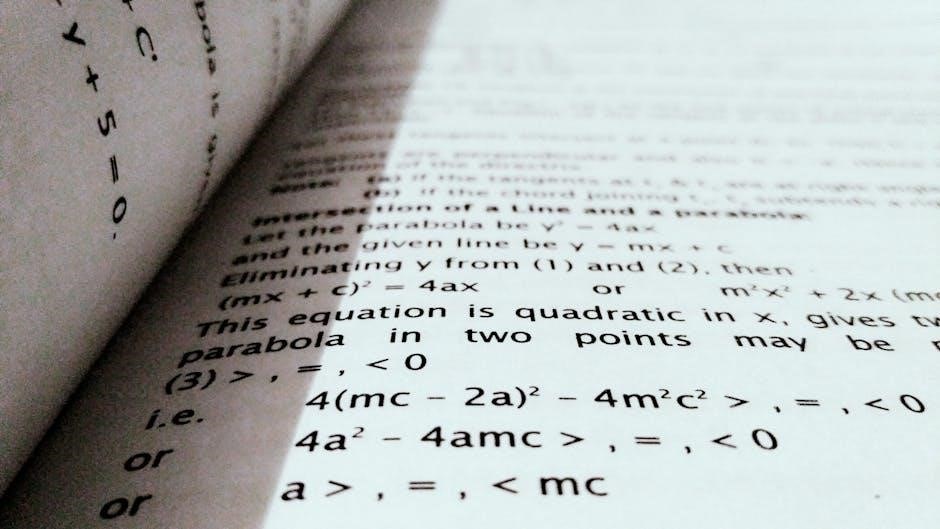
Calculating headroom involves determining the total rise and accounting for the structural thickness of the floor above. The PDF should illustrate how to measure from the finished floor to the lowest point of any obstruction overhead. Proper headroom ensures comfortable and safe passage for all users. Ignoring this aspect can lead to costly rework and potential legal liabilities, making it a key component of any staircase design.

PDF Resources for Staircase Calculations

Locating comprehensive staircase calculation formula PDFs is crucial for accurate design and code compliance. Many online resources offer downloadable guides detailing essential formulas for various stair types – straight, spiral, and curved. These PDF documents often include detailed diagrams, clarifying complex calculations for rise, run, and headroom.

Commercial stair dimension standards are frequently available as PDF downloads from industry organizations like Lapeyre Stair, ensuring adherence to IBC building codes. PDF guides simplify navigating these regulations, providing clear explanations of maximum riser heights and minimum tread depths. Utilizing these resources minimizes errors and streamlines the design process, offering a valuable asset for professionals and DIYers alike, guaranteeing a safe and structurally sound staircase.

Free Online Stair Calculators & PDF Guides

Numerous websites provide free online stair calculators and downloadable PDF guides, simplifying staircase design. These tools automate complex calculations, determining the number of steps, total rise, and total run based on user-defined parameters. Many PDF resources consolidate essential formulas, referencing building codes like the 2018 IBC and OSHA standards for maximum riser height and minimum tread depth.

Lapeyre Stair and similar companies offer PDF guides detailing standard commercial stair dimensions, ensuring compliance and accessibility. These resources are invaluable for both professionals and DIY enthusiasts, offering a convenient way to verify calculations and ensure a safe, structurally sound staircase. Utilizing these free tools and PDF guides streamlines the design process and minimizes potential errors.

Commercial Stair Dimension Standards (PDF Downloads)

Accessing commercial stair dimension standards via PDF downloads is crucial for ensuring code compliance and safety. These documents, often referencing the IBC (International Building Code), detail specific requirements for tread depth, riser height, stair width, and headroom in commercial buildings. Lapeyre Stair provides resources outlining these standards, ensuring functional and accessible staircases.

PDF guides typically specify a maximum riser height of 7 inches (2018 IBC) and a minimum tread depth of 11 inches, though OSHA allows for a maximum riser height of 9.5 inches and a minimum tread depth of 9.5 inches. Downloading and carefully reviewing these PDFs is essential for architects, contractors, and building inspectors, guaranteeing adherence to legal requirements and promoting user safety within commercial spaces.


Categories
PDF

mean median mode range worksheets with answers pdf

Mean, Median, Mode, and Range Worksheets with Answers PDF: A Comprehensive Guide

Unlock essential data skills! Our PDF worksheets offer practice in calculating mean, median, mode, and range,
including problems with positive and negative numbers.

Master central tendency with diverse exercises,
featuring answer keys for immediate feedback and skill reinforcement.

Understanding the core of data analysis begins with grasping measures of central tendency. These statistical tools – the mean, median, mode, and range – provide insights into the typical value and spread within a dataset. Our comprehensive worksheets, available as a PDF download, are designed to build a strong foundation in these concepts.

Why are these measures important? They allow us to summarize large datasets into meaningful, easily interpretable values. For example, knowing the average (mean) test score in a class gives a quick overview of overall performance. Similarly, the median highlights the middle value, unaffected by extreme scores. The mode identifies the most frequent value, useful for understanding common occurrences. Finally, the range showcases the data’s spread, revealing variability.

These worksheets cater to various skill levels, starting with basic calculations and progressing to more complex problem-solving. They include examples utilizing both positive and negative numbers, ensuring a well-rounded understanding. Answer keys are provided for self-assessment and efficient learning. Mastering these concepts is crucial for success in mathematics and data-driven fields.

What is the Mean?

The mean, often referred to as the average, is a fundamental measure of central tendency. It’s calculated by summing all values in a dataset and then dividing by the total number of values. Our worksheets provide ample practice in mastering this calculation, with step-by-step examples and varied problem sets.

Why use the mean? It provides a single value that represents the “typical” value within a dataset. For instance, calculating the mean income of a group helps understand the average earning power. However, it’s important to note that the mean can be significantly affected by outliers – extremely high or low values.

Our PDF worksheets include exercises focusing solely on mean calculations, starting with simple datasets and progressing to more complex scenarios involving positive and negative numbers. We also present real-world applications, demonstrating the mean’s relevance. Understanding the mean is a cornerstone of statistical analysis, and our resources are designed to build proficiency.

Calculating the Mean: Step-by-Step

Mastering the mean requires a systematic approach. Our worksheets break down the calculation into easily digestible steps. First, sum all the numbers in your dataset. This involves simple addition, ensuring no values are missed. Second, count the total number of values within the dataset – this determines the divisor.

Third, divide the sum (from step one) by the count (from step two). The result is the mean, representing the average value. Our PDF resources provide numerous examples illustrating this process, starting with smaller datasets and gradually increasing complexity.

We also offer worksheets with pre-filled tables to aid organization, and answer keys for immediate verification. Practice problems include scenarios with positive and negative numbers, reinforcing understanding. Consistent practice with these steps will build confidence and accuracy in calculating the mean, a crucial skill for data analysis and interpretation.

Understanding the Median

The median represents the middle value in a dataset when arranged in ascending order. Unlike the mean, it’s less susceptible to extreme values or outliers, offering a robust measure of central tendency. Our worksheets focus on developing a clear understanding of this concept.

We emphasize the importance of ordering the data before identifying the median. For datasets with an odd number of values, the median is simply the central number. However, with an even number of values, the median is calculated as the average of the two middle numbers.

Our PDF resources provide step-by-step guidance and practice problems for both scenarios. Worksheets include examples with positive and negative numbers, reinforcing the ordering process. Answer keys are provided for self-assessment, ensuring a solid grasp of this fundamental statistical measure. Mastering the median is key to accurately describing data distributions.

Finding the Median: Odd vs. Even Datasets

Determining the median requires a slightly different approach depending on whether your dataset contains an odd or even number of values. Our worksheets provide targeted practice to master both scenarios, ensuring a comprehensive understanding.

For odd datasets, after arranging the numbers in ascending order, the median is the single middle value. For example, in the set {1, 3, 5, 7, 9}, the median is 5. However, with even datasets, like {2, 4, 6, 8}, you must find the average of the two middle numbers (4 and 6), resulting in a median of 5.

Our PDF resources offer numerous examples illustrating this distinction. Practice problems include both positive and negative numbers, reinforcing the ordering and calculation skills. Detailed answer keys are included for self-checking, allowing students to confidently identify the median in any dataset. This skill is crucial for data analysis and interpretation.

What is the Mode?

The mode represents the value that appears most frequently within a dataset. Unlike the mean and median, a dataset can have no mode, one mode (unimodal), two modes (bimodal), or multiple modes (multimodal). Understanding this concept is vital for interpreting data distribution.

Our worksheets focus on identifying the mode in various scenarios. Exercises include datasets with clear modes, as well as those with no mode at all, challenging students to discern the most frequent value. Practice problems also cover bimodal and multimodal datasets, enhancing analytical skills.

The PDF resources provide step-by-step guidance and detailed answer keys. Students will learn to efficiently scan datasets and accurately determine the mode, solidifying their grasp of this essential statistical measure. This skill is particularly useful when analyzing categorical data.

Identifying the Mode: Unimodal, Bimodal, Multimodal

Our worksheets expertly guide students through identifying different modal scenarios. A unimodal dataset has one mode – a single, most frequent value. Bimodal datasets present two modes, indicating two equally frequent values. Multimodal datasets, conversely, exhibit three or more modes.

Practice problems are carefully designed to build proficiency in recognizing each type. Students will analyze datasets and determine if a single value dominates (unimodal), if two values tie for frequency (bimodal), or if multiple values share the highest frequency (multimodal).

The accompanying PDF provides clear explanations and worked examples for each case. Answer keys allow for self-assessment and reinforce understanding. Mastering these distinctions is crucial for accurate data interpretation and analysis, preparing students for more advanced statistical concepts.

Defining the Range

The range represents the spread of data within a set – a fundamental concept in statistics. It’s calculated by subtracting the smallest value from the largest value in the dataset. Our worksheets provide focused practice on determining this measure of dispersion.

Students will encounter problems involving both simple and more complex datasets, including those with positive and negative numbers. Exercises emphasize identifying the maximum and minimum values accurately before performing the subtraction. Understanding the range provides a quick assessment of data variability.

The included PDF offers step-by-step instructions and illustrative examples. Detailed answer keys enable independent practice and immediate feedback. Mastering the range is essential for comparing the spread of different datasets and forming informed conclusions about the data.

Calculating the Range: Maximum and Minimum Values

Determining the range hinges on accurately identifying the highest (maximum) and lowest (minimum) values within a given dataset. Our worksheets provide extensive practice in this crucial skill, building a solid foundation for statistical analysis. Students will work with various number sets, including those featuring both positive and negative integers.

Exercises are designed to reinforce the importance of careful observation and systematic data review. The PDF includes clear examples demonstrating how to locate the maximum and minimum values efficiently. Once identified, subtracting the minimum from the maximum yields the range – a measure of data spread.

Detailed answer keys are provided for self-assessment and immediate feedback; Mastering this process is vital for understanding data variability and comparing different datasets effectively. Practice problems progressively increase in complexity, ensuring comprehensive skill development.

Mean, Median, Mode, and Range Practice Problems

Sharpen your statistical skills with our extensive collection of practice problems! These worksheets offer a diverse range of scenarios designed to solidify your understanding of mean, median, mode, and range calculations. Problems cover various data sets, including those with positive and negative numbers, ensuring comprehensive practice.

Each problem is carefully crafted to challenge your analytical abilities and reinforce key concepts. You’ll encounter exercises requiring you to calculate each measure of central tendency and data spread independently, as well as problems demanding comparative analysis. The PDF format allows for convenient printing and offline practice.

Detailed solutions are included, enabling self-assessment and pinpointing areas for improvement. These practice problems are ideal for students, educators, and anyone seeking to enhance their data analysis proficiency. Master these skills and unlock a deeper understanding of statistical concepts!

Worksheet Examples: Positive and Negative Numbers

Navigate the complexities of data analysis with our specialized worksheets focusing on positive and negative numbers! These examples demonstrate how to accurately calculate the mean, median, mode, and range when dealing with both positive and negative values. Understanding these calculations is crucial for interpreting real-world data sets that often include fluctuations above and below zero.

Our worksheets provide step-by-step guidance, illustrating how negative numbers impact each statistical measure. You’ll find problems designed to reinforce the correct order of operations and the importance of accurate sign usage. These exercises build confidence in handling diverse numerical data.

Detailed answer keys are included for self-checking and immediate feedback. These examples are perfect for students learning to apply statistical concepts to practical scenarios, ensuring a solid foundation in data interpretation. Mastering these skills is essential for success in mathematics and beyond!

Grade 5 Mean Worksheets

Introduce fifth-grade students to the foundational concepts of data analysis with our specifically designed mean worksheets! These resources focus on building a strong understanding of averages, presenting problems tailored to their skill level. Our worksheets emphasize practical application, using relatable scenarios to illustrate the concept of the mean in everyday life.

Exercises include finding the mean of simple data sets, word problems requiring students to calculate the average, and opportunities to apply their knowledge to real-world contexts. We provide a variety of question types to cater to different learning styles and ensure comprehensive practice.

Each worksheet is accompanied by a detailed answer key, allowing for independent learning and self-assessment. These materials are perfect for classroom use, homework assignments, or supplemental practice, fostering a solid grasp of this essential mathematical skill. Boost your students’ confidence with our engaging Grade 5 mean worksheets!

Interquartile Range (IQR) and its Significance

Beyond simply understanding the spread of data with the range, the Interquartile Range (IQR) offers a more robust measure of variability. IQR represents the difference between the 75th percentile (Q3) and the 25th percentile (Q1) of a dataset, effectively isolating the middle 50% of the values.

This makes the IQR less susceptible to outliers than the traditional range, providing a clearer picture of the typical data distribution. Worksheets incorporating IQR calculations help students develop a deeper understanding of data dispersion and statistical resilience.

Understanding IQR is crucial for identifying potential outliers and assessing the skewness of a dataset. Our resources demonstrate how to calculate IQR and interpret its significance in various contexts, enhancing analytical skills. Furthermore, IQR is a key component in box plots, a visual tool for data representation and comparison.

Mean Imputation Methods

When datasets contain missing values, a common approach to maintain data integrity is imputation – replacing those gaps with estimated values. Mean imputation is a straightforward technique where the missing data points are filled with the average of the existing values in that variable.

While simple to implement, mean imputation can distort the original data distribution and underestimate variability. However, understanding this method is foundational for grasping more sophisticated imputation techniques. Worksheets focusing on mean imputation provide practical experience in handling incomplete datasets.

Students learn to calculate the mean and apply it to fill missing entries, recognizing both the benefits and limitations of this approach. More advanced resources often compare mean imputation with median and mode imputation, highlighting their respective strengths and weaknesses in different scenarios. This builds a critical understanding of data preprocessing techniques.

Data Presentation: Median and Interquartile Range

Beyond simply calculating the median, understanding its role in data presentation is crucial. The median, representing the middle value, is less susceptible to outliers than the mean, offering a more robust measure of central tendency for skewed distributions. Worksheets emphasize interpreting the median within the context of a dataset.

The interquartile range (IQR), calculated as the difference between the 75th and 25th percentiles, provides a measure of statistical dispersion. It highlights the spread of the middle 50% of the data, effectively minimizing the impact of extreme values. PDF resources often demonstrate how to visually represent data using box plots, which clearly display the median and IQR.

Students practice identifying the IQR from datasets and interpreting its significance. Comparing the IQR across different datasets allows for meaningful comparisons of data variability. This skill is essential for drawing accurate conclusions and making informed decisions based on statistical analysis.

Using Bar Graphs to Represent Mean Values

Visualizing data is paramount for comprehension, and bar graphs are exceptionally effective for representing mean values. Worksheets incorporate exercises where students calculate the mean of various datasets and then translate those results into visually clear bar graphs. This reinforces the connection between numerical calculations and graphical representation.

These graphs allow for easy comparison of means across different categories or groups. PDF resources provide examples of correctly labeled bar graphs, emphasizing the importance of clear titles, axis labels, and appropriate scales. Students learn to interpret these graphs, identifying the category with the highest and lowest mean values.

Furthermore, exercises may involve comparing bar graphs representing means with those representing other measures of central tendency, like the median or mode, fostering a deeper understanding of their differences. This skill is crucial for effective data communication and analysis, preparing students for real-world applications.

Analyzing Data Sets with Mean, Median, and Mode

Worksheets focusing on data set analysis challenge students to move beyond simple calculations of mean, median, and mode. They present diverse datasets – encompassing positive and negative numbers – requiring students to determine the most appropriate measure of central tendency for each scenario.

Students learn to recognize when the mean is skewed by outliers, making the median a more representative value. Exercises emphasize understanding how the mode identifies the most frequent value, useful for categorical data. PDF resources include real-world examples, like analyzing test scores or sales figures, to demonstrate practical applications.

A key component involves interpreting the relationships between these measures. For instance, a significant difference between the mean and median suggests data skewness. Worksheets prompt critical thinking, asking students to explain their reasoning and justify their choices, solidifying their understanding of statistical concepts.

Finding the Fifth Number in a Mean Calculation

Worksheets dedicated to this skill present problems where the average (mean) of a set of five numbers is given, along with the values of four numbers. Students must then utilize their algebraic skills to calculate the missing fifth number. These exercises reinforce the fundamental definition of the mean – the sum of all values divided by the number of values.

The problems progressively increase in difficulty, sometimes involving negative numbers or decimals to challenge students further. PDF resources often include step-by-step solutions, demonstrating the process of setting up an equation, solving for the unknown variable, and verifying the answer.

A common example involves a scenario where the mean of five numbers is 8.2, and four of the numbers are 8, 10, 12, and 10. Students must then solve for the fifth number, applying their understanding of mean calculations and basic algebra. These worksheets build confidence and problem-solving abilities.

PDF Resources for Mean, Median, Mode, and Range Practice

Numerous online platforms offer downloadable PDF worksheets focused on mastering mean, median, mode, and range. These resources cater to various grade levels, particularly Grade 5, and provide a structured approach to learning these statistical concepts. Many worksheets include a comprehensive answer key, enabling self-assessment and immediate feedback for students.

The PDFs often feature a diverse range of problems, from basic calculations with simple datasets to more complex scenarios involving positive and negative numbers. Some resources present real-world applications, helping students understand the practical relevance of these measures. Furthermore, some PDFs incorporate bar graphs to visually represent data and mean values.

Websites like those offering free educational downloads provide extensive collections of these worksheets, often categorized by skill level and topic. These readily available PDF documents are invaluable tools for teachers, parents, and students seeking to reinforce their understanding of central tendency and data analysis.

Categories
PDF

song of myself walt whitman pdf

Song of Myself by Walt Whitman: A Comprehensive Guide (PDF Focus)

Exploring “Song of Myself” in PDF format unlocks Whitman’s expansive verses, offering portable access to this cornerstone of American literature and poetic expression․

Understanding the Poem’s Significance

“Song of Myself” transcends typical poetic boundaries, representing a radical departure from 19th-century conventions․ Whitman’s masterpiece isn’t merely a poem; it’s an immersive experience, a celebration of the individual within the vastness of the democratic American landscape․ Its significance lies in its audacious embrace of all aspects of existence – the physical, the spiritual, the mundane, and the sublime – presented with unparalleled candor and inclusivity․

The poem’s enduring power stems from its exploration of universal themes: identity, nature, spirituality, and the interconnectedness of all beings․ Whitman’s use of free verse liberated poetry from rigid structures, mirroring the boundless spirit of the self he champions․ Accessing the poem in PDF format allows for focused study, enabling readers to delve into its complexities and appreciate its revolutionary impact on literary history and thought․ It’s a foundational text for understanding American identity․

Historical Context of “Song of Myself”

“Song of Myself” emerged during a period of immense social and political upheaval in the United States․ The mid-19th century witnessed rapid industrialization, westward expansion, and escalating tensions surrounding slavery․ Whitman’s poem reflects these anxieties and aspirations, embodying the spirit of a nation grappling with its identity․ Published initially in 1855 as part of Leaves of Grass, it challenged prevailing literary norms and societal expectations․

The Transcendentalist movement, with its emphasis on individualism and the inherent goodness of humanity and nature, profoundly influenced Whitman․ The poem’s democratic ideals resonated with a nation striving to live up to its founding principles․ Studying the poem in PDF format provides a convenient way to contextualize its themes within this historical framework, understanding how Whitman responded to and shaped the cultural landscape of his time․

Walt Whitman’s Life and Influences

Born in 1819 on Long Island, New York, Walt Whitman’s life experiences deeply informed his poetic vision․ He worked as a journalist, teacher, and printer before dedicating himself to writing․ His diverse background exposed him to a wide range of people and perspectives, fostering his democratic sensibilities․ Whitman’s self-reliance and embrace of the common person are central to “Song of Myself․”

Influenced by Transcendentalism, particularly the writings of Ralph Waldo Emerson, Whitman developed a unique poetic voice characterized by free verse and a celebration of the individual․ Accessing his work in PDF format allows for focused study of his stylistic choices․ His experiences during the Civil War, serving as a volunteer nurse, further shaped his understanding of humanity and loss, subtly influencing his later revisions of the poem․

Availability of “Song of Myself” in PDF Format

Numerous online platforms offer “Song of Myself” in PDF format, catering to diverse academic and personal needs․ Project Gutenberg, a repository of free ebooks, provides a readily accessible version, ideal for basic study․ University websites and digital libraries frequently host scholarly editions, often including annotations and critical essays, enhancing comprehension․

Commercial ebook retailers, such as Amazon Kindle and Barnes & Noble Nook, also sell PDF versions, sometimes bundled within complete collections of Walt Whitman’s works like “Leaves of Grass․” These paid options often feature enhanced formatting and search capabilities․ The widespread availability in PDF ensures convenient access for readers globally, facilitating in-depth analysis and enjoyment of this iconic poem․

Where to Find Reliable PDF Versions

Locating trustworthy PDF versions of “Song of Myself” requires discerning sources․ Project Gutenberg (www․gutenberg․org) is a highly reliable, free option, offering meticulously proofread texts․ Reputable university websites – like those of Harvard or Yale – often provide scholarly PDFs within their open courseware or digital collections․

Internet Archive (archive․org) also hosts numerous digitized editions, though verifying the scan quality is advisable․ Avoid websites with questionable security or excessive advertisements․ Paid versions from established ebook retailers (Amazon Kindle, Google Books) generally guarantee accuracy and formatting․ Always cross-reference with a known, authoritative text to ensure fidelity and avoid corrupted or inaccurate PDFs․

Free vs․ Paid PDF Options

Considering the availability of “Song of Myself” in PDF format, both free and paid options present distinct advantages․ Free PDFs, readily accessible through Project Gutenberg and Internet Archive, offer cost-effective access, ideal for casual reading or academic exploration․ However, these may lack advanced features like searchable text or consistent formatting․

Paid PDFs, typically purchased from ebook retailers, provide enhanced readability, reliable formatting, and often include supplementary materials like critical essays or annotations․ While incurring a cost, they guarantee a polished reading experience․ The choice hinges on individual needs: free options suffice for basic access, while paid versions cater to serious study or a premium reading experience․

Legality and Copyright Considerations

Navigating the digital landscape of “Song of Myself” PDFs requires awareness of copyright law․ As Whitman’s work is in the public domain in the United States, most PDF versions are legally distributable․ However, PDFs containing unique editorial content – introductions, annotations, or specific formatting – may be protected by copyright․

Downloading from reputable sources like Project Gutenberg or university websites minimizes legal risks․ Avoid sites offering PDFs with unclear origins or those suggesting unauthorized reproduction․ Respecting intellectual property ensures continued access to literary works․ Always verify the source’s legitimacy before downloading to avoid potential copyright infringement issues and support ethical distribution practices․

Analyzing the Poem’s Themes

“Song of Myself” profoundly explores themes of self-celebration, democratic ideals, and the interconnectedness of humanity and nature․ Whitman’s radical embrace of individuality, evident throughout the poem, challenges conventional societal norms․ The PDF format allows for focused study of these recurring motifs, enabling readers to trace their development across sections․

Transcendentalist influences are apparent in Whitman’s reverence for the natural world and his belief in inherent goodness․ The poem’s frank depiction of the body and sexuality further contributes to its thematic complexity․ Analyzing these elements within a PDF facilitates close reading and deeper understanding of Whitman’s revolutionary poetic vision and enduring message․

Celebration of the Self and Individuality

Whitman’s “Song of Myself” is a bold proclamation of self-worth and the inherent dignity of every individual; The poem rejects societal constraints, embracing a boundless sense of self that encompasses all experiences and identities․ A PDF version allows for meticulous examination of how Whitman constructs this expansive “I,” observing shifts in perspective and tone․

Through vivid imagery and free verse, he champions the unique qualities of each person, celebrating the body, intellect, and spirit․ Studying the poem in PDF format enables focused annotation and analysis of passages that exemplify this radical individualism, revealing Whitman’s enduring message of self-acceptance and empowerment․

Democracy and the American Experience

“Song of Myself” profoundly reflects Whitman’s vision of a democratic America, embracing its diverse populace and expansive landscape․ The poem’s sprawling form mirrors the nation’s burgeoning identity, celebrating the common person and the collective spirit․ Accessing the poem via PDF facilitates a detailed exploration of how Whitman intertwines personal experience with the broader American narrative․

He portrays a nation built on inclusivity and equality, acknowledging the contributions of all its citizens, regardless of social standing․ A PDF allows for close reading of passages depicting various occupations and lifestyles, revealing Whitman’s commitment to representing the totality of the American experience and its democratic ideals․

Transcendentalism and Nature’s Role

“Song of Myself” deeply resonates with Transcendentalist philosophy, emphasizing the inherent goodness of humanity and the spiritual connection between individuals and nature․ Whitman’s poetic exploration, readily available in PDF format, allows readers to trace the influence of Emerson and Thoreau on his work․ The poem champions intuitive experience and the rejection of societal constraints in favor of a direct relationship with the natural world․

A PDF version enables focused analysis of Whitman’s vivid descriptions of landscapes and natural phenomena, revealing how he uses nature as a metaphor for spiritual awakening and self-discovery․ The poem’s celebration of the physical body and sensual experience aligns with Transcendentalist ideals, fostering a holistic understanding of existence․

The Body and Sexuality in Whitman’s Work

Whitman’s “Song of Myself,” accessible through PDF versions, boldly embraces the physicality of the human body and explores themes of sexuality with unprecedented openness for his time․ The poem celebrates the body as a source of joy, sensation, and spiritual connection, challenging Victorian-era prudery and societal norms․ A PDF allows for close reading of passages detailing physical experiences and sensual imagery․

The poem’s frank depiction of the body, both male and female, and its celebration of same-sex attraction were revolutionary․ Studying the poem in PDF format facilitates nuanced analysis of Whitman’s intent and the historical context surrounding his daring exploration of human desire and identity, offering a unique perspective on his artistic vision․

Key Literary Devices Used

“Song of Myself,” readily available as a PDF, showcases Whitman’s masterful employment of literary devices․ Notably, his pioneering use of free verse abandons traditional rhyme and meter, creating a fluid, conversational rhythm that mirrors natural speech․ A PDF allows focused examination of line breaks and structural choices․

Cataloging, a technique of listing numerous items, and repetition are central to the poem’s expansive scope and incantatory effect․ Imagery and symbolism, particularly relating to nature and the body, are richly layered and invite multiple interpretations․ Accessing the poem via PDF facilitates detailed annotation and analysis of these techniques, revealing Whitman’s innovative poetic style and profound thematic concerns․

Free Verse and its Impact

Walt Whitman’s embrace of free verse in “Song of Myself,” easily studied through a PDF version, revolutionized poetry․ Rejecting conventional rhyme schemes and metrical patterns, he crafted a uniquely American voice—organic, expansive, and democratic․ A PDF allows close inspection of line lengths and the deliberate absence of traditional structure․

This stylistic choice profoundly impacts the poem’s rhythm, creating a sense of breathlessness and immediacy․ The lack of constraint mirrors Whitman’s celebration of individuality and the boundless nature of the self․ Studying the poem in PDF format highlights how free verse enables Whitman to catalog diverse experiences and connect with readers on a visceral level, fostering a sense of shared humanity․

Cataloging and Repetition Techniques

“Song of Myself,” readily accessible in PDF format, masterfully employs cataloging and repetition․ Whitman lists a vast array of people, places, and experiences, creating a comprehensive portrait of American life․ A PDF allows focused examination of these extensive lists, revealing their cumulative effect—a celebration of inclusivity and the interconnectedness of all things․

Repetition, particularly of key phrases and words, reinforces central themes and creates a hypnotic rhythm․ Studying the poem’s structure via PDF reveals how these techniques build momentum and emphasize Whitman’s core beliefs․ This deliberate stylistic choice isn’t accidental; it’s a powerful tool for conveying the poem’s message of unity and the inherent worth of every individual․

Imagery and Symbolism in the Poem

A PDF version of “Song of Myself” facilitates a detailed exploration of Whitman’s rich imagery and symbolism․ The poem overflows with vivid descriptions of nature, the human body, and everyday life, creating a sensory experience for the reader․ Examining these images within a digital format allows for close reading and annotation, uncovering layers of meaning․

Grass, for instance, serves as a potent symbol of democracy, growth, and the cyclical nature of life and death․ The body, celebrated openly, represents vitality and connection to the physical world․ A PDF enables focused analysis of recurring symbols, revealing Whitman’s complex philosophical and spiritual ideas․ The poem’s power lies in its ability to evoke emotion and inspire contemplation through its evocative language․

Whitman’s Use of the First-Person Perspective

A digital PDF copy of “Song of Myself” highlights Whitman’s groundbreaking use of the first-person perspective․ The consistent “I” throughout the poem isn’t simply autobiographical; it’s expansive, encompassing all of humanity and the natural world․ This technique invites readers to identify with the poet and, by extension, with each other․

The immersive quality of the “I” is amplified when studying the poem in a readily accessible PDF format, allowing for focused annotation and reflection․ Whitman’s bold declaration of self isn’t egotistical but rather a celebration of individual consciousness and its connection to the universal․ This perspective challenges conventional poetic norms and fosters a sense of democratic inclusivity within the reader’s experience․

Exploring Specific Sections of the Poem

A PDF version of “Song of Myself” facilitates detailed exploration of its distinct sections․ Section 1 introduces the poet’s core philosophy – a celebration of self and sensory experience․ Section 6, with its iconic imagery of grass, symbolizes interconnectedness and democratic ideals․ Studying these sections digitally allows for easy cross-referencing and annotation․

Section 52, a poignant reflection on life and death, gains depth through focused reading within a PDF․ The ability to zoom, highlight, and search within the text enhances comprehension of Whitman’s complex themes․ Accessing the poem in this format encourages a nuanced understanding of its evolving narrative and the poet’s masterful use of language, fostering a richer interpretive experience․

Within a readily accessible PDF of “Song of Myself,” Section 1 immediately establishes Whitman’s revolutionary poetic voice․ He boldly proclaims his individuality and embraces a democratic spirit, extending his self to encompass all of humanity․ The opening lines, easily revisited in a digital format, invite readers into a world of sensual experience and unfiltered observation․

The PDF allows for close examination of Whitman’s free verse style, devoid of traditional rhyme or meter․ This section’s emphasis on the body and the natural world is powerfully presented, and a PDF facilitates focused study of these key themes․ Annotating the text digitally enhances understanding of Whitman’s groundbreaking approach to self-representation and poetic form․

Section 6: The Poet and the Grass

A PDF version of “Song of Myself” allows for repeated, focused readings of Section 6, central to understanding Whitman’s democratic vision․ The poet’s extended contemplation of grass—a seemingly humble element—reveals its profound symbolic weight․ He equates it with the “hair of graves,” connecting life and death, and sees it as a universal symbol of equality, growing freely for all․

The digital format enables easy highlighting of key phrases and imagery․ Whitman’s identification with the grass, and by extension, with all of humanity, is powerfully conveyed․ Studying this section within a PDF facilitates tracing the development of Whitman’s themes of inclusivity and the interconnectedness of all beings, a cornerstone of his poetic philosophy․

Section 52: A Final Reflection on Life and Death

Accessing “Song of Myself” in PDF format provides an ideal platform for dissecting Section 52, a poignant culmination of the poem’s exploration of mortality․ Whitman’s acceptance of death as a natural part of the life cycle is powerfully articulated, moving beyond fear towards a serene understanding of cosmic continuity․ The PDF allows for close examination of his imagery – the call of the mockingbird, the departing creation․

Readers can easily annotate the text, noting the shift in tone from exuberant celebration to quiet contemplation․ This section’s accessibility within a digital document encourages repeated readings, fostering a deeper appreciation for Whitman’s philosophical outlook on existence and the enduring power of the self․

“Song of Myself” and Music Therapy Connections

Utilizing a PDF version of “Song of Myself” enhances its application within music therapy, facilitating lyric analysis for therapeutic benefit․ The poem’s inherent rhythm and expansive imagery resonate deeply, offering opportunities for receptive techniques like guided listening and movement․ Therapists can readily share annotated PDFs, highlighting passages for discussion regarding emotional expression and self-discovery․

Whitman’s verses, easily accessible digitally, lend themselves to active techniques – songwriting inspired by his themes, or improvisational music responding to the poem’s energy․ The PDF format supports collaborative analysis, allowing clients to engage with the text and explore its connection to their personal experiences, fostering healing and self-awareness․

Analyzing Lyrics for Therapeutic Benefit

A PDF copy of “Song of Myself” provides a stable text for in-depth lyrical analysis within therapeutic settings․ Whitman’s celebration of the self and individuality offers a powerful framework for exploring identity and self-acceptance with clients․ The poem’s open-ended nature encourages diverse interpretations, mirroring the subjective experience of emotional healing․

Therapists can guide clients through identifying key themes – democracy, nature, the body – and connecting them to personal narratives․ Examining Whitman’s use of free verse and cataloging techniques can unlock discussions about embracing complexity and finding beauty in the everyday․ The accessible PDF format allows for annotation and collaborative exploration of the poem’s rich symbolism․

The Poem’s Rhythm and its Impact on Listeners

A digital PDF version of “Song of Myself” facilitates experiencing Whitman’s unique rhythmic style beyond traditional reading․ While lacking auditory performance, the visual layout of the poem on the page hints at its breath-like cadence and expansive flow․ The free verse structure, liberated from strict meter, mirrors the natural rhythms of speech and thought, creating a sense of immediacy and authenticity․

Listeners – or readers engaging with the poem aloud – often report a feeling of being swept along by Whitman’s energetic language․ This rhythmic quality, combined with the poem’s celebratory tone, can be profoundly uplifting and emotionally resonant․ Analyzing the PDF text allows for focused attention on line breaks and pauses, revealing the subtle musicality embedded within the verses․

Related Works by Walt Whitman

Accessing “Song of Myself” in PDF format often sparks interest in Whitman’s broader literary contributions․ Leaves of Grass, the collection containing the poem, is essential for understanding its context and evolution across multiple editions․ Exploring the various iterations within a digital PDF allows comparison of Whitman’s revisions and expansions․

Beyond “Song of Myself,” notable poems like “O Captain! My Captain!” (a lament for Abraham Lincoln) and “I Hear America Singing” showcase Whitman’s democratic spirit and celebration of the working class․ A PDF library facilitates convenient access to these related works, revealing consistent themes of individuality, nature, and the American experience․ Further exploration deepens appreciation for Whitman’s poetic vision․

Leaves of Grass: The Collection’s Importance

Understanding “Song of Myself” necessitates recognizing its place within Leaves of Grass, Whitman’s life-long poetic project․ A PDF version of the complete collection reveals the interconnectedness of his work, demonstrating how themes and motifs resonate across different poems․ The initial 1855 edition, vastly different from later ones, offers insight into Whitman’s evolving style and philosophy․

Leaves of Grass wasn’t merely a book; it was a continually revised and expanded testament to American life․ Accessing it digitally in PDF format allows readers to trace this evolution, appreciating the deliberate choices Whitman made in shaping his poetic vision․ The collection’s radical form and content challenged conventional poetic norms, establishing Whitman as a uniquely American voice․

Other Notable Poems by Whitman

Beyond “Song of Myself,” a PDF compilation of Walt Whitman’s works reveals a rich tapestry of poetic exploration․ “I Hear America Singing” celebrates the dignity of labor, while “O Captain! My Captain!” mourns Abraham Lincoln’s death with powerful imagery․ “When Lilacs Last in the Dooryard Bloom’d” is a poignant elegy, showcasing Whitman’s mastery of grief and remembrance․

Exploring these poems alongside “Song of Myself” in a digital PDF format illuminates the consistent themes running through Whitman’s oeuvre – democracy, nature, the body, and the self․ “Crossing Brooklyn Ferry” offers a meditative journey, connecting past, present, and future․ Accessing these works digitally enhances appreciation for Whitman’s complete poetic contribution and stylistic range․

Criticism and Interpretations of “Song of Myself”

A PDF collection of critical essays alongside “Song of Myself” reveals diverse interpretations of Whitman’s masterpiece․ Scholarly analyses delve into the poem’s radical embrace of the body, its democratic ideals, and its unconventional free verse structure․ Critics debate the extent of Whitman’s transcendentalist influences and the poem’s engagement with emerging scientific thought․

Digital PDFs facilitate comparative study, allowing readers to explore contrasting perspectives on Whitman’s intent and the poem’s enduring relevance․ Examining these interpretations enhances understanding of the poem’s complexities and its historical context․ Accessing these analyses digitally fosters a deeper appreciation for the ongoing scholarly conversation surrounding “Song of Myself․”

Major Scholarly Analyses of the Poem

PDF resources frequently compile pivotal scholarly analyses of “Song of Myself,” including studies by critics like Edwin Miller, who explored the poem’s structural unity, and Roger Asselineau, focusing on its French Symbolist influences․ Digital archives offer access to essays examining Whitman’s use of cataloging, his celebration of the self, and the poem’s revolutionary impact on American poetry․

These analyses, readily available in PDF format, dissect Whitman’s poetic techniques and contextualize the poem within 19th-century intellectual and social movements․ Researchers utilize these resources to understand the poem’s complex relationship with transcendentalism, democracy, and the burgeoning American identity․ PDF collections streamline research, providing concentrated access to key critical perspectives․

Contemporary Relevance of Whitman’s Message

Despite being penned in 1855, “Song of Myself” resonates profoundly today, with PDF versions facilitating its continued study․ Whitman’s celebration of individuality and inclusivity speaks directly to contemporary concerns regarding identity, diversity, and social justice․ His democratic ideals remain vital in an era of political polarization, urging readers to embrace empathy and interconnectedness․

The poem’s exploration of the body and sexuality, often controversial in its time, now contributes to ongoing conversations about acceptance and liberation․ Accessing these themes through readily available PDFs allows for broader engagement with Whitman’s radical vision․ His emphasis on experiencing the present moment offers a counterpoint to modern anxieties, promoting mindfulness and appreciation for life’s simple joys․

The Poem’s Influence on Modern Poetry

“Song of Myself” irrevocably altered the course of poetry, and its impact continues to ripple through modern verse, readily accessible through PDF formats․ Whitman’s pioneering use of free verse liberated poets from traditional constraints, paving the way for experimentation and innovation․ His expansive, cataloging style influenced subsequent generations, including the Beat poets and confessional writers․

The poem’s emphasis on the self and personal experience became a cornerstone of modern poetic expression․ PDF accessibility allows scholars and readers to trace these influences directly․ Whitman’s blurring of boundaries between the personal and the universal, the sacred and the profane, challenged conventional poetic norms and broadened the scope of poetic subject matter․ His legacy endures in the work of countless poets who continue to explore similar themes and techniques․

Categories
Guide

spiderwick chronicles field guide book

The Spiderwick Chronicles Field Guide: A Comprehensive Overview

Delve into the enchanting world of faeries with this elaborate volume, revealing 14 core creatures and an astounding 15 additional ones, alongside journal entries․

The Spiderwick Chronicles Field Guide isn’t merely a companion to the beloved series; it’s a foundational artifact within the narrative itself․ Discovered by the Grace children – Jared, Simon, and Mallory – within the dusty attic of their great-aunt Lucinda’s dilapidated Victorian home, the Guide serves as the initial key unlocking the hidden world of faerie․ This mysterious, handmade book, penned by the enigmatic Arthur Spiderwick, details the creatures inhabiting a realm coexisting alongside our own, a realm previously unknown to the siblings․

More than just a bestiary, the Field Guide is presented as a genuine, in-universe document․ It’s filled with Arthur Spiderwick’s meticulous observations, sketches, and warnings about the often-dangerous inhabitants of the faerie world․ The book’s discovery immediately plunges the children into a thrilling adventure, forcing them to confront the reality of magical beings and the secrets hidden within their new home․ It’s the catalyst for everything that follows in The Spiderwick Chronicles

The Origins of the Spiderwick Family

The Spiderwick family history is intrinsically linked to the Field Guide and their long-standing, though often obscured, involvement with the faerie world․ Arthur Spiderwick, the author of the Guide, wasn’t simply a naturalist; he was a dedicated researcher obsessed with documenting the hidden realm of faeries․ His family, for generations, possessed a unique awareness of these creatures, a knowledge passed down through careful observation and meticulous record-keeping․

However, this knowledge came at a cost․ The Spiderwick family faced challenges and dangers stemming from their interactions with faeries, leading to a deliberate attempt to conceal their research and protect future generations․ The Field Guide itself represents the culmination of this family legacy, a testament to their dedication and a warning about the perils of the faerie world․ The Grace children’s discovery of the Guide reawakens this dormant family history, drawing them into a conflict that has spanned generations․

Arthur Spiderwick and His Research

Arthur Spiderwick’s relentless pursuit of knowledge regarding faeries drove the creation of the Field Guide․ He wasn’t a fanciful storyteller, but a dedicated observer, meticulously documenting the creatures he encountered․ His research wasn’t born from mere curiosity; it stemmed from a deep-seated belief in the reality of the faerie world and a desire to understand its rules and inhabitants․

The Field Guide represents the culmination of years spent studying faeries, filled with detailed descriptions, behavioral patterns, and cautionary notes․ His journal entries, included within the book, offer a personal glimpse into his investigations and the challenges he faced․ Spiderwick’s work wasn’t widely accepted during his time, leading him to conceal his findings, hoping future generations might benefit from his research – a hope realized with the Grace children’s discovery․

Creatures Featured in the Field Guide

Explore a diverse bestiary, showcasing fourteen core faerie species, plus fifteen additional wonders like mermaids and gargoyles, detailed within the Guide’s pages․

Core 14 Creatures from the Chronicles

The heart of the Spiderwick Chronicles Field Guide lies in its detailed examination of the fourteen creatures central to the initial narrative․ These beings, pivotal to Jared, Simon, and Mallory’s adventures, are meticulously documented with illustrations and comprehensive descriptions․ Readers encounter the mischievous Brownies, helpful but demanding household spirits, and the dangerous Redcaps, goblin-like creatures known for their crimson-stained caps and violent tendencies․

Further exploration reveals the Grims, protective but fearsome guardians, and the Sylphs, ethereal beings connected to the wind․ The Field Guide doesn’t shy away from more unsettling creatures like the Sprites, often depicted as tricksters, and the Nymphs, beautiful but potentially dangerous water spirits․ Other core inhabitants include the Pixies, the Hobgoblins, and various types of Goblins, each possessing unique characteristics and behaviors․ The guide also details the Boggarts, the Trulls, and the Lethargiles, completing the foundational bestiary of the Spiderwick world․ Understanding these fourteen is crucial to grasping the full scope of the faerie realm․

Additional 15 Creatures – Expanding the Faerie World

Beyond the initial fourteen, the Field Guide unveils a further fifteen creatures, significantly broadening the scope of the faerie world presented in the Spiderwick Chronicles․ This expansion demonstrates the sheer diversity and complexity of the hidden realm coexisting with our own․ Among these additions, the enchanting Mermaids are detailed, showcasing their lore and unique depictions within the Spiderwick universe․

Equally fascinating are the Gargoyles, presented not merely as stone ornaments, but as vigilant guardians with a rich history․ The guide also introduces lesser-known beings, enriching the tapestry of faerie life․ These creatures range from benevolent spirits to potentially dangerous entities, each with specific habitats and behaviors․ This extended bestiary provides a deeper understanding of the intricate ecosystem of faeries, offering readers a more complete and immersive experience within the Spiderwick world, and solidifying the guide’s value as a comprehensive resource․

Mermaids: Lore and Depiction

The Spiderwick Chronicles Field Guide doesn’t present mermaids as the benevolent figures of traditional folklore․ Instead, DiTerlizzi’s illustrations and accompanying text reveal a more complex and potentially dangerous depiction of these aquatic faeries․ The guide delves into their unique lore, portraying them as creatures deeply connected to waterways, possessing alluring yet deceptive qualities․

Unlike the romanticized versions, these mermaids are described with a hint of menace, their beauty masking a wild and unpredictable nature․ The Field Guide details their specific habitats – often secluded pools and rivers – and hints at their interactions with other fae beings․ Their depiction emphasizes a primal connection to the water, and a guarded existence away from human interference․ This nuanced portrayal adds depth to the faerie world, showcasing that not all creatures are friendly, and caution is paramount when venturing into their domain․

Gargoyles: Guardians and Stone Sentinels

Within the pages of the Spiderwick Chronicles Field Guide, gargoyles are presented not merely as architectural ornaments, but as living, breathing guardians deeply rooted in faerie lore․ DiTerlizzi’s artistic vision brings these stone sentinels to life, showcasing their imposing forms and watchful presence․ The guide details their historical role as protectors, often bound to specific locations – churches, castles, and old mansions – to ward off malicious spirits․

These aren’t simply statues that come alive at night; they possess a unique sentience and a connection to the earth itself․ The Field Guide explores their inherent magical abilities, including the power to observe unseen and to subtly influence events․ Their stoic nature and enduring patience are highlighted, emphasizing their long-lived existence and dedication to their protective duties․ Encountering a gargoyle, according to the guide, is a sign of powerful magical activity nearby․

The Field Guide’s Structure and Content

The guide blends Arthur Spiderwick’s journal entries, detailed creature descriptions, and stunning illustrations, creating a comprehensive and immersive exploration of the faerie world․

Arthur Spiderwick’s Journal Entries

Scattered throughout the Spiderwick Chronicles Field Guide are fascinating snippets directly from Arthur Spiderwick’s personal journal․ These aren’t merely add-ons; they are integral to understanding the guide’s origins and its direct connection to the events unfolding in the initial Spiderwick Chronicles book․

These journal entries offer a unique, first-person perspective, providing insights into Arthur’s research methods, his encounters with various faeries, and the challenges he faced while compiling his knowledge․ They lend an air of authenticity and immediacy to the guide, making the fantastical creatures feel more real and the faerie world more accessible․

Furthermore, these entries aren’t simply descriptive; they often hint at deeper mysteries and foreshadow future events within the series, rewarding attentive readers with a richer understanding of the overarching narrative․ They also serve as a crucial link, explicitly tying the field guide to the experiences of the Grace children, Jared, Simon, and Mallory․

Illustrations and Artistic Style

Tony DiTerlizzi’s illustrations are absolutely central to the immersive experience of the Spiderwick Chronicles Field Guide․ His artistic style isn’t simply about depicting the creatures; it’s about presenting them as if they were genuinely documented specimens within a naturalist’s field guide․ The illustrations possess a wonderfully aged, hand-drawn quality, mimicking the look of antique botanical or zoological illustrations․

DiTerlizzi masterfully employs watercolor and ink, creating a delicate yet detailed aesthetic․ The creatures aren’t overly fantastical or cartoonish; instead, they feel grounded and believable, enhancing the sense of realism within the faerie world․ Marginalia, sketches, and annotations further contribute to the impression of a working document, meticulously compiled over time․

This distinctive style, honed through previous works like The Spider & the Fly, perfectly complements Holly Black’s writing, creating a cohesive and captivating world for readers to explore․

Detailed Creature Descriptions

The Spiderwick Chronicles Field Guide doesn’t merely name the faeries; it provides exhaustive descriptions, presented as meticulous observations from Arthur Spiderwick himself․ Each creature entry details its physical characteristics – size, coloration, distinguishing features – alongside information about its habitat, diet, and typical behaviors․

These aren’t simple monster entries; they read like genuine scientific reports․ Spiderwick notes vulnerabilities, potential dangers, and even folklore associated with each creature․ The descriptions often include warnings about interacting with these beings, emphasizing their unpredictable and sometimes malicious nature․

Crucially, the guide categorizes creatures, hinting at a complex faerie taxonomy․ This level of detail elevates the world-building, making the faerie realm feel vast, ancient, and governed by its own intricate rules․ The descriptions are integral to understanding the lore․

Classification of Faeries

Arthur Spiderwick’s Field Guide doesn’t present faeries as a homogenous group; instead, it suggests a complex and hierarchical classification system․ While not explicitly laid out as a rigid taxonomy, the guide subtly categorizes creatures based on their nature, power, and alignment – hinting at a deeper organizational structure within the faerie world․

Certain creatures are deemed more dangerous or powerful than others, implicitly establishing a ranking․ The guide differentiates between solitary faeries and those that exist in colonies or hierarchies, suggesting social structures․ Furthermore, distinctions are made between benevolent, neutral, and malevolent fae, influencing how one should approach them․

This classification isn’t always clear-cut, adding to the mystery and danger․ Spiderwick’s notes often acknowledge exceptions and variations, reinforcing the idea that the faerie realm is a wild and unpredictable place․

Behavioral Patterns of Faeries

The Spiderwick Field Guide details that faeries aren’t governed by human logic or morality, exhibiting behaviors often described as capricious and unpredictable․ Many are intensely territorial, fiercely guarding their domains and reacting aggressively to intrusions․ Others are mischievous, delighting in playing pranks and leading humans astray․

Spiderwick’s observations reveal a strong connection between faerie behavior and the natural world; their actions often mirroring seasonal changes or responding to environmental disturbances․ Certain creatures are nocturnal, while others are active only during specific weather conditions․ The guide also notes a tendency for faeries to operate under ancient rules and traditions, often incomprehensible to humans․

Crucially, the Field Guide emphasizes the importance of respect when interacting with fae, warning against offense or attempts to control them, as this can provoke dangerous consequences․

The Field Guide’s Role in the Spiderwick Universe

This guide isn’t merely a compendium; it directly fuels the narrative, connecting to the first book and featuring character cameos, acting as a vital device․

Connecting the Guide to the First Book

The Spiderwick Chronicles truly begins with the discovery of Arthur Spiderwick’s Field Guide within the dusty attic of the old Victorian house․ This isn’t just a plot device; the guide is the catalyst for the entire adventure experienced by Jared, Simon, and Mallory Grace․ The siblings stumble upon a world hidden in plain sight, a world of faeries and fantastical creatures, all because of the knowledge contained within those aged pages․

Dozens of snippets from Arthur Spiderwick’s personal journal are included, directly linking the information within the guide to the events unfolding in the first book․ These entries aren’t simply supplemental; they provide crucial context, warnings, and insights into the behaviors of the creatures the children encounter․ The guide isn’t a passive object; it actively shapes their understanding and survival in this newly revealed realm, making it integral to the story’s progression and the unfolding mysteries․

Character Cameos and Interactions

Beyond the detailed creature descriptions and Arthur Spiderwick’s journal entries, the Field Guide offers delightful glimpses into the wider Spiderwick Chronicles universe through unexpected character cameos․ Readers aren’t simply presented with information; they’re treated to brief interactions and appearances from familiar faces, enriching the overall narrative experience and hinting at larger storylines․

These cameos serve as a clever narrative device, reinforcing the interconnectedness of the world and providing subtle clues about the characters’ motivations and histories․ It’s a rewarding experience for those already invested in the series, offering a deeper understanding of the relationships and events beyond the main plot․ The inclusion of these moments elevates the Field Guide from a mere bestiary to a vital piece of the Spiderwick lore, fostering a stronger connection between the book and its readers․

The Guide as a Narrative Device

The Spiderwick Chronicles Field Guide transcends the typical reference book format, functioning as a crucial narrative device within the larger series․ Presented as Arthur Spiderwick’s personal journal and research, it isn’t merely about the faerie world; it is a window into it, offering a unique perspective shaped by a dedicated observer․ This framing device immediately establishes authenticity and immerses the reader in the mystery surrounding the Spiderwick family․

The Guide’s structure, with its handwritten notes and detailed illustrations, mimics a genuine field journal, enhancing the sense of discovery․ It’s through this artifact that the Grace children – Jared, Simon, and Mallory – unravel the secrets of the faerie world, making the Guide integral to their journey and the unfolding plot․ It’s not just a companion to the story; it is part of the story itself․

Impact and Legacy

The Spiderwick Chronicles, including the Field Guide, achieved immense popularity, selling over 20 million copies and being translated into thirty countries worldwide․

Sales and Popularity of the Spiderwick Chronicles

The Spiderwick Chronicles, spearheaded by the captivating Field Guide, rapidly ascended to become a phenomenal success in children’s literature․ The series, a collaboration between Tony DiTerlizzi and Holly Black, has impressively sold over 20 million copies globally, demonstrating its widespread appeal to young readers and families alike․ This remarkable figure underscores the enduring fascination with the fantastical world of faeries presented within the books․

Beyond sheer sales numbers, the series garnered significant critical acclaim and a devoted fanbase․ The unique blend of adventure, mystery, and folklore resonated deeply with its audience․ The Field Guide, in particular, served as a crucial entry point into this universe, captivating readers with its detailed illustrations and immersive world-building․ Its popularity fueled demand for subsequent books and adaptations, solidifying its place as a modern classic in the realm of fantasy literature․

Adaptations: Film and Beyond

The immense popularity of The Spiderwick Chronicles naturally led to adaptations beyond the printed page․ Most notably, a feature film adaptation was released, bringing the fantastical world and the adventures of the Grace children to a wider audience․ While the film offered a visual interpretation of the story, it served to further amplify the series’ recognition and introduce it to a new generation of fans․

However, the legacy extends beyond the initial film․ Discussions and explorations of potential television series or reboots have surfaced over time, indicating continued interest in revisiting the Spiderwick universe․ The enduring appeal of the Field Guide and the broader series suggests a fertile ground for future adaptations, potentially exploring different facets of the faerie world and expanding upon the original narratives․ The franchise’s adaptability ensures its continued relevance in various media formats․

Translations and Global Reach

The success of The Spiderwick Chronicles wasn’t confined to English-speaking countries; the series achieved remarkable global reach through translations into over thirty countries․ This widespread translation effort demonstrates the universal appeal of the story’s themes – family, courage, and the wonder of the natural world – resonating with readers across diverse cultures․

The ability to experience the adventures of Jared, Simon, and Mallory in their native languages broadened the series’ impact significantly, fostering a global community of fans․ This international reception solidified The Spiderwick Chronicles’ position as a modern classic in children’s literature, proving that captivating storytelling transcends linguistic barriers․ The Field Guide, as a central element, played a key role in this international success, captivating imaginations worldwide․

Tony DiTerlizzi’s Contribution

DiTerlizzi masterfully imbued the series with rich imagination, from picture books to chapter books, and notably co-created The Spiderwick Chronicles with Holly Black․

DiTerlizzi’s Illustrative Style

Tony DiTerlizzi’s artistic approach is central to the immersive quality of The Spiderwick Chronicles and, specifically, the Field Guide․ His illustrations aren’t merely decorative; they function as integral components of the narrative, lending authenticity to the fantastical creatures and environments described within the text․ The style blends detailed realism with a touch of whimsical fantasy, creating images that feel both believable and otherworldly․

He employs a technique reminiscent of classic natural history illustrations, complete with meticulous linework and subtle watercolor washes․ This lends the Field Guide an air of scholarly legitimacy, as if it truly is a document compiled by a dedicated researcher like Arthur Spiderwick․ The creatures aren’t simply drawn; they’re presented as specimens, carefully observed and documented․ This visual style significantly enhances the book’s appeal and contributes to its enduring legacy, captivating readers with its unique blend of artistry and storytelling․

Other Works by Tony DiTerlizzi

Beyond The Spiderwick Chronicles, Tony DiTerlizzi boasts a diverse and celebrated body of work, demonstrating his versatile talent and imaginative storytelling․ He’s known for fanciful picture books like The Spider & the Fly, showcasing his ability to create enchanting worlds for younger audiences․ His contributions extend to chapter book series, notably The Search for WondLa, a captivating adventure that further highlights his rich imagination and world-building skills․

DiTerlizzi consistently imbues his stories with a unique blend of wonder and artistry, establishing a recognizable style across his projects․ His dedication to illustration and narrative craft has earned him widespread acclaim and a devoted readership․ He seamlessly transitions between different formats and age groups, proving his enduring appeal as a children’s book author and illustrator, solidifying his place in the literary landscape․

Collaboration with Holly Black

The phenomenal success of The Spiderwick Chronicles wasn’t a solitary achievement; it was a brilliant collaboration between Tony DiTerlizzi and Holly Black․ Black, a celebrated author of middle-grade and young adult fiction, brought her exceptional storytelling prowess to the project, crafting the compelling narrative and intricate plotlines that captivated readers․ DiTerlizzi, with his masterful illustrations, visually brought Black’s fantastical world to life, creating a truly immersive experience․

Together, they forged a synergistic partnership, resulting in a series that has sold over 20 million copies worldwide․ Their combined talents extended beyond the books themselves, encompassing a feature film adaptation and translations into more than thirty countries․ This enduring partnership demonstrates the power of creative synergy, solidifying their legacy in children’s literature and fantasy storytelling․

Collecting and Identifying Field Guide Editions

First edition copies are highly sought after by collectors, distinguished by specific markings and details; rarity significantly impacts their value within the market․

First Edition Identification

Identifying a true first edition of The Spiderwick Chronicles Field Guide requires careful attention to detail․ Collectors should first examine the copyright page․ A true first edition will explicitly state “First Edition” – though sometimes this is subtly placed․ Look for the complete number line, descending from 10 to 1, indicating a first printing․

The dust jacket is also crucial․ Early printings often feature specific jacket designs, and any subsequent printings may have slight variations․ Pay close attention to any promotional stickers or markings on the jacket, as these can sometimes indicate later printings․ The book’s binding and overall condition are also important factors, with pristine copies commanding higher prices․

Furthermore, researching known printing errors or unique characteristics of the first edition can aid in authentication․ Online collector communities and resources dedicated to The Spiderwick Chronicles can provide valuable insights and verification assistance․ Careful scrutiny and comparison with documented first editions are essential for accurate identification․

Rarity and Value

The value of The Spiderwick Chronicles Field Guide varies significantly based on condition, edition, and demand․ First editions in pristine condition, with intact dust jackets and complete number lines, command the highest prices, often reaching hundreds of dollars․ Signed copies by Tony DiTerlizzi or Holly Black are particularly sought after, increasing their value exponentially․

Rarity is influenced by printing quantities and the book’s overall popularity․ While the series enjoyed substantial sales – exceeding 20 million copies – truly exceptional copies are becoming increasingly scarce․ Condition plays a pivotal role; even a first edition with significant wear or damage will be worth considerably less․

Market trends and collector interest also impact value․ Monitoring auction results and online marketplaces provides insights into current pricing․ Overall, the Field Guide remains a desirable collectible within the fantasy literature genre, appealing to both long-time fans and new collectors alike․